
Are you thinking of having a destination wedding? Almost one-quarter (24%) of all couples who marry travel to do so. Many of them pick a seaside wedding venue because of its beauty and simplicity.
If you want to get married with sand between your toes, here are some pointers to help you find the perfect location!
If you're having a beach wedding, you've won the wedding venue lottery. It's like a mini-vacation for everyone participating, whether it's held in an exotic location or at your summer getaway house, spending the occasion close to pounding waves and a spectacular view.
While a beach wedding offers lots of natural scenery and décor, planning a faultless event on the sand presents its own set of problems. As if planning catering for functions and bridesmaid outfits wasn't demanding enough, beach weddings add another layer of difficulty.
There are many stunning Melbourne wedding photo and ceremony sites, and one of them is the beach. Here is our advice on what you should know while creating the perfect plan for your sandy beach fantasy wedding.
Considerations For Planning A Beach Wedding
Wedding Planner Vs. Going It Alone
You can have your wedding on a public beach, but it won't be as beautiful as if you rented a private beach exclusively for your ceremony. It's not as simple as showing up, throwing some chairs in the sand, and calling it a wedding. Instead, a permission fee will be required to use the area.
Any other disadvantages of tackling a project on your own? To begin with, it's not easy. Everything, from the trellis and chairs to the photographer and music system, will have to be planned and executed by you. Check out our extensive list of Wedding Photographers in Melbourne to help capture your special moments.
The experience of a wedding planner might provide some peace of mind when deciding on a beach wedding location. The venue will take care of some of the logistics, such as providing furniture, so you won't have to worry about those details, either.
Consider The Elements
As long as the weather cooperates, a beach wedding can be breathtaking. Have a backup plan in place in case the weather forecast for your wedding day is bad.
You should also consider the time of year and the time of day for the event. Unless you and your intended are serious beach bums, getting married while it's 90 degrees and sunny isn't ideal. Consider having a sunset wedding and being married during the shoulder season, when temperatures are normally more reasonable.
Keep It Casual
If you're getting married on the beach, choose a more relaxed ceremony. Elaborate bridal gowns and high heels may fulfil your fairy-tale wedding idea, but they are not particularly appropriate for a seaside wedding.
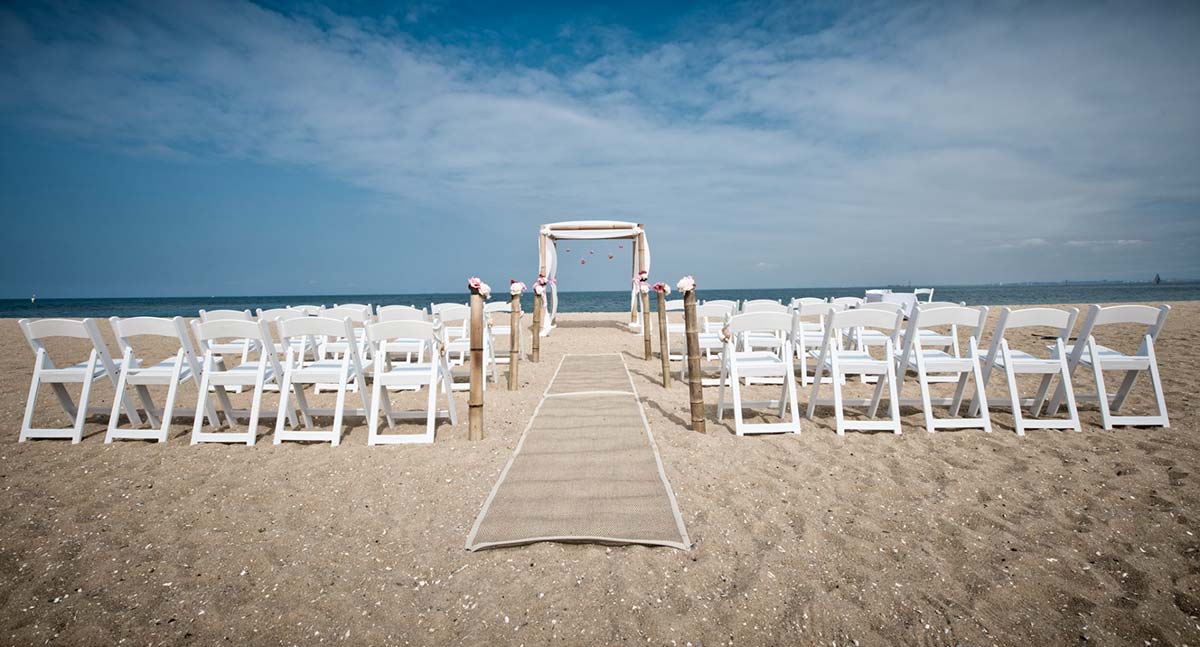
Some sites will provide walkways to avoid having you and your guests trek through the sand. A temporary walkway is an absolute must if any of your guests have mobility challenges or use a wheelchair or walker.
Parking can sometimes be a difficulty. A location that provides tram service to and from the site can be extremely beneficial.
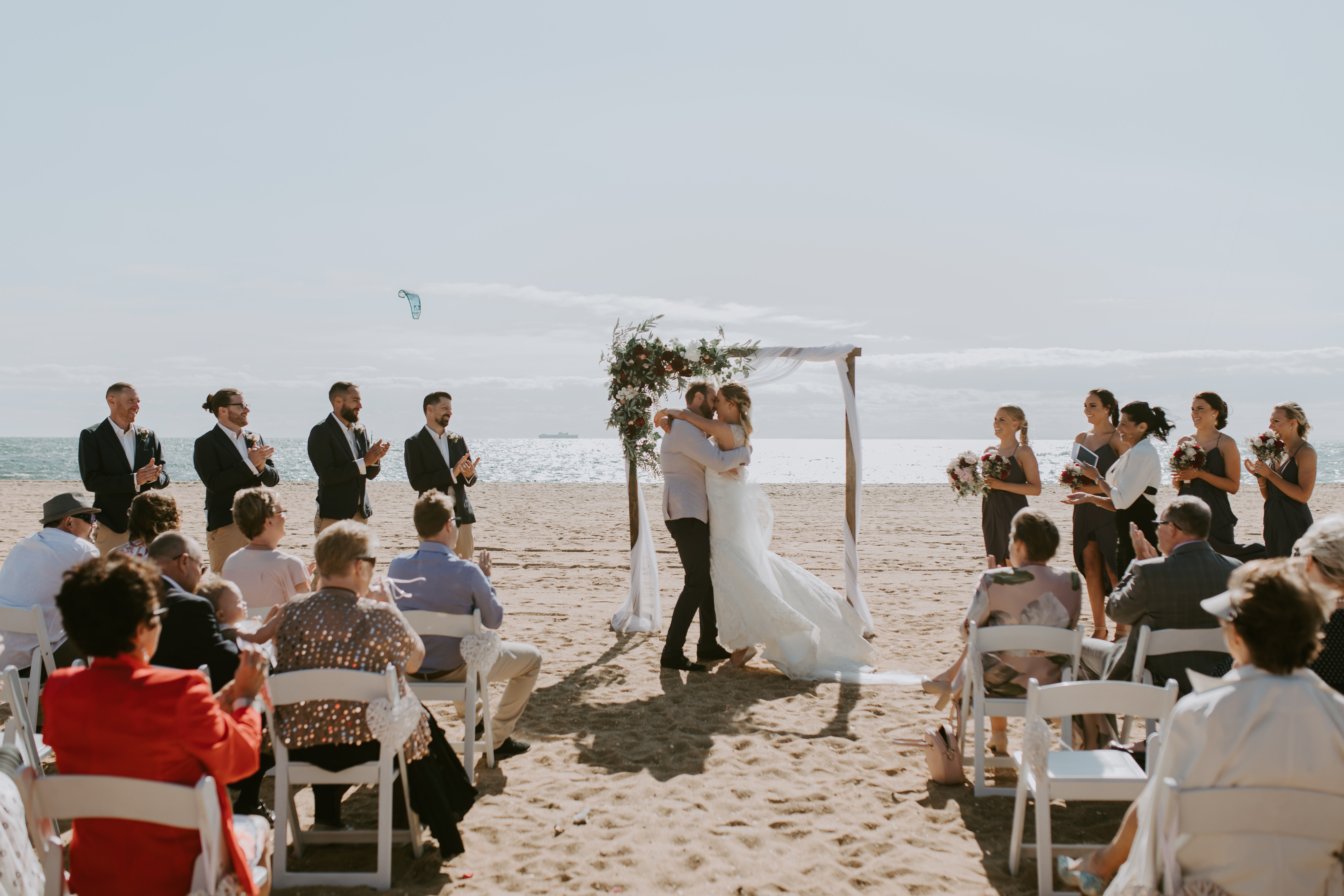
Make Use Of A Sound System.
Don't forget that gusts of wind are a real possibility at a coastal location. As a result, your guests may have a hard time understanding your vows. Make sure everyone can hear the entire processional by setting up a portable sound system with a microphone.
Again, many venues will provide this in the bundle.
How Much Will It Cost?
Just over $25,000 is the current average cost of a wedding in Australia, and that doesn't include the expense of the honeymoon. Your guests will have to shell out some cash for airfare and hotel costs unless you happen to reside within driving distance of a beach.
Despite this, you should still go ahead and plan your wedding on the beach. You and your future spouse may be able to contribute to your guests' travel expenses by choosing a beach wedding site instead of an expensive indoor location.
There are usually group discounts at hotels. Having a wedding in the off-season is another way to save money.
Time Of Day
Knowing the optimal time of day for the ceremony in terms of light (for photos and video) and temperature is essential when arranging an outdoor or seaside wedding (for the comfort of you and our guests). There are still less preferable times to be outside (unless you're wearing a bathing suit), even on a perfect day.
Time Of Year
The time of year matters much when planning a wedding on the beach. Think about the date's cost, availability, weather, crowds, and guest list size while making your decision. It's your wedding, but it's nice to think about your guests' travel costs if you want them there, and the cost of a trip might vary significantly depending on the time of year.prevent other resort guests
Private Or Public
If privacy is a priority for you, it is imperative that you select a location that can meet your needs. Private beaches are not standard at all vacation spots or lodging establishments.
Ceremony Length
Take into account the fact that guests will be far from any shade, water, or restrooms if the event is held on the beach. You don't want the bridal party and guests to be forced to wait around in the heat, wind, or rain for too long, even if you do provide shade and refreshments.
Ceremony Soundtrack
A wedding on the beach could be loud, depending on the time of day and the location. Beautiful as the sound of crashing waves and a gentle breeze may be, it can be difficult to hear the vows of those you hold dear. In order for your guests to hear the vows well, it is highly recommended that you invest in a professional sound system complete with wireless microphones and speakers. Your wedding planner ought to be able to assist you in this regard.
The Guests
If you're planning a wedding on the beach, keep in mind the mobility issues that some of your guests may have (elderly people, people in wheelchairs, etc.) and make sure they're accommodated appropriately. Also, make sure everyone knows the ceremony will be held on the beach so they can prepare appropriately.
Tan Lines
Wed on the beach? You must love the sun and either lives there or be having a destination wedding (and coming for a long weekend or week). Prepared brides should use multiple sunscreens and ensure that the straps of their swimwear and wedding dress are identical. Make sure you don't get too much sun before the big day, or you'll risk getting a burn or unsightly tan lines. It's the same advice we give to bridesmaids.
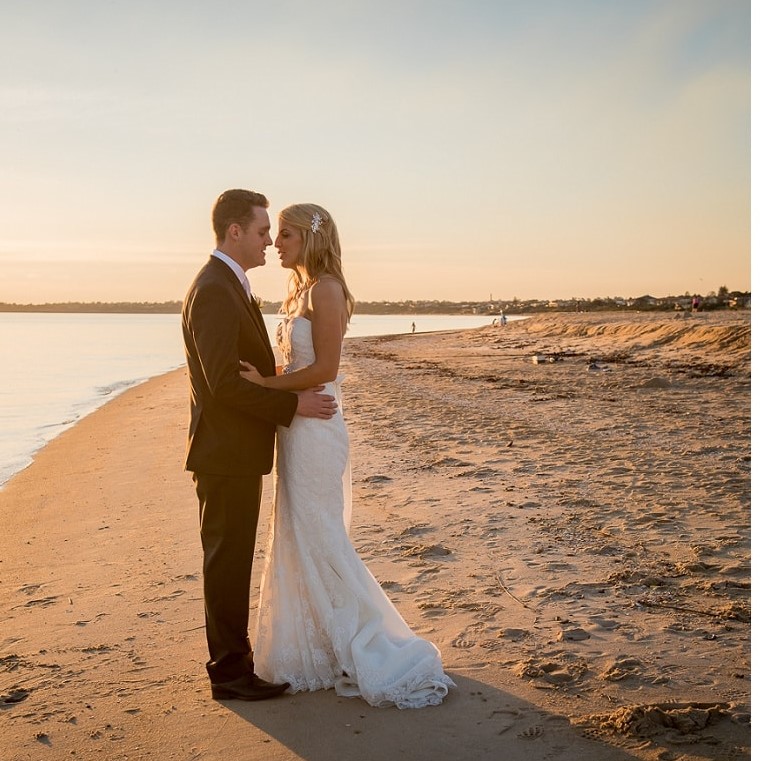
Photographer & Videographer
Choose a photographer and videographer who have worked many beach weddings before. Since the beach's weather and lighting are never certain, you'll want to make sure that the professional you choose is up to the task of capturing all of your special moments, no matter what Mother Nature throws at them. Other than your new husband, the only tangible items you get to take away from a wedding are photographs and film. All we want is to love them as much as you love your significant other.
Having A Backup Strategy
There are times when Mother Nature does not cooperate. What are your plans in the event that the big day arrives with excessive wind and rain? According to the golden rule, people who have a backup plan rarely end up having to use it. Therefore, you should check into it and consider it an insurance policy.
Public vs. Private
In order to prevent other resort guests from using the venue, it is better to rent the entire property, as most coastal resorts are close to lovely beaches. Ask the resort to close off the beach for you for the ceremony if you are worried about other people using the beach and watching, which is a nice idea when you book.
However, if You Must Wear High Heels
A beach ceremony is beautiful, but not all brides would want to walk down the aisle barefoot. To get around this problem, you might construct a wooden pathway that is buried in the sand down the aisle, making it look like you're walking on a sandy beach while giving you the stability you need to wear heels. Therefore, make sure you wear heels that you feel comfortable walking in.
Develop A Wind Plan.
The time of year may make or break your decision to have a wedding on the beach. Things like cost, availability, temperature, crowds, and guest count should all be taken into account when choosing a beach wedding date. Even though it's your wedding, it's considerate to take into account the cost of travel for your guests (and yourself), as this might vary greatly depending on the time of year. Looking for a wedding photographer in Melbourne? Look no further. Brighton Savoy has compiled an ultimate list of Melbourne wedding photographers to help you choose.
Furnishings For Your Guest
It is important to remember that your guests will need a place to sit during the ceremony. Looking at outdoor beach furniture could be a good idea to complete the feel.
Dress Appropriately.
Don't bother coming here in those massive ball dresses. Wearing a ball gown at a ballroom is, of course, suitable. Your trip down the aisle may be possible in a full-length gown with a train, but wandering about on the beach and taking pictures will be a challenge. If a gown with a lot of fabric is necessary, it should be easy to bustle. Think about how things seem in the dark. Avoid lace-trimmed dresses if you want to avoid collecting garbage on the beach, and go for a flowy fabric like chiffon or charmeuse instead.
It's possible you should try an updo. Take these into account while deciding on a new hairstyle. Keep your eveningtime appearance professional with an authentic updo. If you really must let your hair down, choose a hairdresser who does touch-ups.
Drop your heels. Sand and high heels are not a good combination. Sandals, espadrilles, and wedges are all great options for footwear that won't get bogged down in the sand. Hem your gown and accessorise with shoes or wear barefoot if that's more your style. Don't forget that sand may get very hot in the sun. Use a fabric aisle runner or some thick flower petals to keep your feet cool.
Unique Beach Wedding Ideas For Summer
Wedding Dresses
These stunning wedding gowns are ideal for a ceremony on the sand because of their effortless elegance and the way their fabrics sway in the breeze. A sand-covered aisle may accommodate any style of wedding dress, from a short and playful number to a long and formal one.
Bridal Sandals For Bare Feet
Sand and barefoot sandals are ideal for a barefoot walk along the beach aisle while also making your toes and feet seem very appealing. You can do it yourself or buy one that fits your budget.
Wedding Headpieces And Accessories
The beauty of well-styled hair stands on its own, but if you want to up the ante on your special occasion attire, consider adding one of these stunning wedding headpieces to your bridal look to tie everything together in a flash.
Clothes For The Bride And Groomsmen
Make sure the groom and his men are well taken care of so that they may relax and look their best in every wedding photo. In warm weather, you can forego the jacket or blazer and instead opt for a more classic and refined look by leaving the top two buttons of your white shirt undone.
Bridesmaids' Dress
Pick out a style of beach bridesmaid dress that is understated and easy to move around in. Keep your girls comfortable despite the heat of the night and give them the confidence to dance the night away in style by making sure they look good in the sand.
Wedding Invitations
At your flawlessly prepared beach wedding, your guests will enjoy an unforgettable experience. Send beach, or seashell-themed wedding invites to give guests the first and lasting impressions of this once-in-a-lifetime occasion.
Wedding Ceremony Decorations
The use of personalised wedding ceremony decorations is a great way to put a modern spin on a time-honoured custom. There's nothing quite like a one-of-a-kind ornament that bears your personal stamp of artistry and creativity.
Wedding Bridal Bouquet
Make use of elements inspired by the beach to create stunning bouquets that reflect your sense of design, the mood you want to create, and your personality. Even though they aren't exactly simple to make, seashell bridal bouquets are well worth the trouble!
Wedding Gift Tags
Use the following ideas for wedding gift tags to communicate your thanks and appreciation to those who were able to share in your big day in the most unique and unforgettable way possible. These are the ideal mementoes to give to your guests as a gesture of your gratitude.
Wedding Centrepieces
The centrepieces at your wedding are a fantastic way to bring your overall style and theme together. In addition, there will be a large number of them, which makes them an excellent strategy for achieving the wow impact.
Wedding Card Display
You can give your guests a warm welcome in the style of a tropical paradise, which is guaranteed to provide an exciting new element to your beachside celebrations. These alternatives for displaying wedding cards can show your guests the way to their seats at the reception.
Wedding Program
Create fans for your guests to utilise to combat the heat while they are at your wedding and make use of your wedding programme at the same time. That is a delightful suggestion that would give the sense that you care about the pleasure and ease that your guests experience.
Wedding Favours
You should give some thought to the possibility of sending your wedding guests home with favours that evoke the feeling of being by the ocean. They are going to appreciate you thinking about them; they just know it!
Wedding Confetti
Throwing some beautiful confetti—dried or fresh petals confetti, for the perfect colour and nature-based option—into the air can only add to the joy of the occasion. Another alternative that doesn't involve much cleanup is having guests blow bubbles, which makes for a fun activity and some beautiful photo opportunities.
Wedding Lanterns
Including lanterns in your beach wedding décor adds warmth to both the day and nighttime celebrations. Consider having some at the ceremony and reception locations.
Wedding Napkin Holders
For a flawless wedding, attention to detail is crucial. Check out the wedding napkin holders as well as the rest of the venue. Napkin rings made from beautiful seashells or coral are a great accessory for a beachy table setting.
Wedding Candle Holder
There is nothing more comforting and celebratory than the warm glow of candlelight, which is why romantic beach wedding candle holders are becoming increasingly popular.
Wedding Garlands
If you want to add a touch of the beach to your wedding, then this scallop seashell garland is the perfect accessory. The wedding will have an even more welcoming and carefree atmosphere with this touch of beachy charm.
Wedding Guest Book
Have your guests sign one of these unique river rock stones, and then store the stones in a decorative container.
FAQs About Beach Wedding
Budget-Friendly Advice For Your Beach Wedding
Your wedding day will likely be one of the most expensive days of your life, despite its importance. Here are some suggestions for limiting the financial strain of your big day.
Check for mail. Booking both the ceremony and reception at the same location is often rewarded with discounts and additional perks at many venues.
Keep the calendar, seasons, and times of day in mind. There is a peak period of the year for weddings, and venues book up quickly then. If your wedding date is flexible, you may want to calculate the cost difference between having it in a different month, or even just on a different day of the week or at a different time of day.
DIY weddings are a great way to cut costs. DIY projects can include everything from arranging flowers to arranging decorations. Create a Pinterest board together with your artistic pals. Flower arranging classes can be found just about anywhere, so why not sign up for one and arrange it yourself?
You can have a beautiful, low-cost beach wedding with meticulous preparation and record-keeping. At Brighton Savoy, we have compiled a list of the Best Photobooth Hires in Melbourne to help you choose who captures your magical day.
It doesn't matter what time of year it is, and people still want to get married on the beach since it's the most peaceful and romantic setting. We hope you find these summer beach wedding ideas useful if you're thinking about having your nuptials on a tropical beach as a destination wedding. To the best of your ability!
Conclusion
If you're planning a beach wedding, here are some pointers to help you find the perfect location. Almost one-quarter (24%) of all couples who marry travel to a destination wedding, and many pick a seaside venue because of its beauty and simplicity. If you're getting married on the beach, choose a more relaxed ceremony. Some sites will provide walkways to avoid having you and your guests trek through the sand. Make sure everyone can hear the entire processional by setting up a portable sound system with a microphone.
Choose a photographer and videographer who have worked many beach weddings before. Prepared brides should use multiple sunscreens and ensure that the straps of their swimwear and wedding dress are identical. Make sure you don't get too much sun before the big day, or you'll risk getting a burn. Cost, availability, temperature, crowds, and guest count should all be taken into account when choosing a date for the ceremony. Also considerate to take into account the cost of travel for your guests (and yourself).
Sand and high heels are not a good combination for footwear that won't get bogged down in the sand. Hem your gown and accessorise with shoes or wear barefoot if that's more your style. Use a fabric aisle runner or some thick flower petals to keep your feet cool in the sun. Personalised wedding ceremony decorations are a great way to put a modern spin on a time-honoured custom. Make use of elements inspired by the beach to create stunning bouquets that reflect your sense of design, and the mood you want to create, and your personality.
Napkin rings made from beautiful seashells or coral are a great accessory for a beachy table setting. Romantic beach wedding candle holders are becoming increasingly popular.
Content Summary
- Are you thinking of having a destination wedding?
- Many of them pick a seaside wedding venue because of its beauty and simplicity.
- If you want to get married with sand between your toes, here are some pointers to help you find the perfect location!
- If you're having a beach wedding, you've won the wedding venue lottery.
- While a beach wedding offers lots of natural scenery and décor, planning a faultless event on the sand presents its own set of problems.
- There are many stunning Melbourne wedding photo and ceremony sites, and one of them is the beach.
- Here is our advice on what you should know while creating the perfect plan for your sandy beach fantasy wedding.
- Wedding Planner Vs.
- Going It AloneYou can have your wedding on a public beach, but it won't be as beautiful as if you rented a private beach exclusively for your ceremony.
- Any other disadvantages of tackling a project on your own?
- The experience of a wedding planner might provide some peace of mind when deciding on a beach wedding location.
- Consider The ElementsAs long as the weather cooperates, a beach wedding can be breathtaking.
- Have a backup plan in place in case the weather forecast for your wedding day is bad.
- If you're getting married on the beach, choose a more relaxed ceremony.
- Make Use Of A Sound System.
- Make sure everyone can hear the entire processional by setting up a portable sound system with a microphone.
- Despite this, you should still go ahead and plan your wedding on the beach.
- You and your future spouse may be able to contribute to your guests' travel expenses by choosing a beach wedding site instead of an expensive indoor location.
- Having a wedding in the off-season is another way to save money.
- Time Of DayKnowing the optimal time of day for the ceremony in terms of light (for photos and video) and temperature is essential when arranging an outdoor or seaside wedding (for the comfort of you and our guests).
- Time Of YearThe time of year matters much when planning a wedding on the beach.
- Think about the date's cost, availability, weather, crowds, and guest list size while making your decision.
- If privacy is a priority for you, it is imperative that you select a location that can meet your needs.
- Ceremony SoundtrackA wedding on the beach could be loud, depending on the time of day and the location.
- In order for your guests to hear the vows well, it is highly recommended that you invest in a professional sound system complete with wireless microphones and speakers.
- The GuestsIf you're planning a wedding on the beach, keep in mind the mobility issues that some of your guests may have (elderly people, people in wheelchairs, etc.)
- and make sure they're accommodated appropriately.
- Also, make sure everyone knows the ceremony will be held on the beach so they can prepare appropriately.
- Tan LinesWed on the beach?
- Photographer & VideographerChoose a photographer and videographer who have worked many beach weddings before.
- What are your plans in the event that the big day arrives with excessive wind and rain?
- According to the golden rule, people who have a backup plan rarely end up having to use it.
- Ask the resort to close off the beach for you for the ceremony if you are worried about other people using the beach and watching, which is a nice idea when you book.
- Develop A Wind Plan.
- The time of year may make or break your decision to have a wedding on the beach.
- Even though it's your wedding, it's considerate to take into account the cost of travel for your guests (and yourself), as this might vary greatly depending on the time of year.
- Furnishings For Your GuestIt is important to remember that your guests will need a place to sit during the ceremony.
- It's possible you should try an updo.
- Take these into account while deciding on a new hairstyle.
- Keep your eveningtime appearance professional with an authentic updo.
- If you really must let your hair down, choose a hairdresser who does touch-ups.
- Drop your heels.
- Hem your gown and accessorise with shoes or wear barefoot if that's more your style.
- Wedding Headpieces And AccessoriesThe beauty of well-styled hair stands on its own, but if you want to up the ante on your special occasion attire, consider adding one of these stunning wedding headpieces to your bridal look to tie everything together in a flash.
- Bridesmaids' DressPick out a style of beach bridesmaid dress that is understated and easy to move around in.
- Keep your girls comfortable despite the heat of the night and give them the confidence to dance the night away in style by making sure they look good in the sand.
- The use of personalised wedding ceremony decorations is a great way to put a modern spin on a time-honoured custom.
- Wedding Bridal BouquetMake use of elements inspired by the beach to create stunning bouquets that reflect your sense of design, the mood you want to create, and your personality.
- Even though they aren't exactly simple to make, seashell bridal bouquets are well worth the trouble!Wedding Gift TagsUse the following ideas for wedding gift tags to communicate your thanks and appreciation to those who were able to share in your big day in the most unique and unforgettable way possible.
- These are the ideal mementoes to give to your guests as a gesture of your gratitude.
- Wedding CentrepiecesThe centrepieces at your wedding are a fantastic way to bring your overall style and theme together.
- These alternatives for displaying wedding cards can show your guests the way to their seats at the reception.
- Wedding ProgramCreate fans for your guests to utilise to combat the heat while they are at your wedding and make use of your wedding programme at the same time.
- Wedding FavoursYou should give some thought to the possibility of sending your wedding guests home with favours that evoke the feeling of being by the ocean.
- Wedding LanternsIncluding lanterns in your beach wedding décor adds warmth to both the day and nighttime celebrations.
- For a flawless wedding, attention to detail is crucial.
- Check out the wedding napkin holders as well as the rest of the venue.
- Wedding Candle HolderThere is nothing more comforting and celebratory than the warm glow of candlelight, which is why romantic beach wedding candle holders are becoming increasingly popular.
- Wedding GarlandsIf you want to add a touch of the beach to your wedding, then this scallop seashell garland is the perfect accessory.
- Budget-Friendly Advice For Your Beach WeddingYour wedding day will likely be one of the most expensive days of your life, despite its importance.
- Here are some suggestions for limiting the financial strain of your big day.
- Check for mail.
- Keep the calendar, seasons, and times of day in mind.
- If your wedding date is flexible, you may want to calculate the cost difference between having it in a different month, or even just on a different day of the week or at a different time of day.
- DIY weddings are a great way to cut costs.
- DIY projects can include everything from arranging flowers to arranging decorations.