
Most people have been to church weddings, where "standard etiquette" is the rule, but do you know how to conduct yourself at a beach wedding? Most brides They work with who are getting married in exotic locales don't do things the traditional way.
They prefer a more laid-back atmosphere and want to engage as many of their loved ones as possible in their weddings while avoiding unnecessary stress. Here are some recommendations to help you prepare for your next beach wedding.
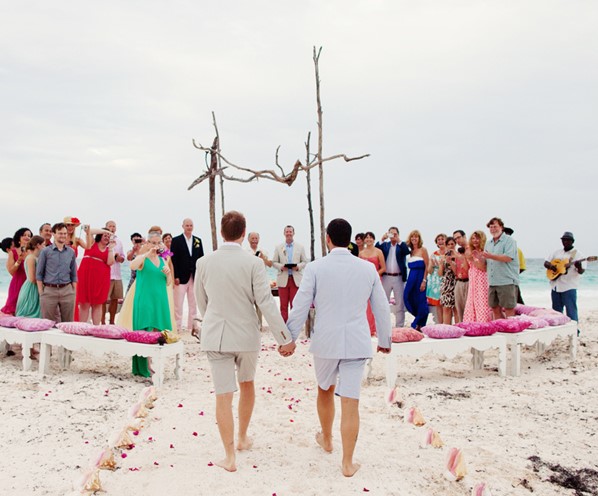
One of the most beautiful and memorable events in each person's life is their wedding. Couples exchange promises and are pronounced husband and wife for all time.
A beach is ideal for a wedding during this wonderful time of year. Of course, if you've been to many weddings in churches and other settings, you already have a good idea of what to expect. On the other hand, a seaside wedding is a little more unique. Beach wedding etiquette differs from more "formal" wedding venues.
Having attended a church wedding before, do you have any idea how to conduct yourself during a beach wedding? Ahead of the big day, here are some helpful hints.
Beach Wedding Etiquette
Sharing Is Caring
Keep in mind that even though this is your wedding, the beach is still open to the public. During the time that you are having your ceremony or taking pictures on the beach, there may be other people there. Simply put, it enriches the character. Please remember to clean up after your event, be respectful of the people around you, and share the area with them.
Beware Of Wildlife
Keep in mind that your beach wedding will be surrounded by nature. Thus wild animals are a reasonable assumption.
Consider carefully the months of the year you want to tie the knot. For example, the nesting season for turtles varies from place to place. Keeping this in mind, always perform extensive research on the site of your future wedding. Find out if there are any animals in the region or if they cover the beach at the time of your big day. That way, you can ensure that you, your guests, and your animals are protected.
Footwear And Attire
You shouldn't expect your guests to show up to a beach wedding dress-up and stumble through the sand in high heels, after all. An informal dress code and flip-flops or even bare feet are common attire for attendees attending beach weddings. Let your guests know ahead of time so they can enjoy the ceremony in the sun and sand.
Always Think Of Your Guests
Are any of your friends travelling in for the destination wedding? Make a plan ahead of time! It is only nice to provide transportation and housing options for your wedding guests, especially if they are travelling from out of town! Though you do not have to pay for each individual to have a hotel suite (though wouldn't that be nice? ), you should notify them about nearby places to stay and provide transportation if necessary. Consider our list of accommodations for inspiration. Looking for the Best Photobooth Hires in Melbourne? We have compiled an exclusive list of some of Melbourne’s best photobooth hire suppliers to capture your special day.
To Stand Or Not To Stand?
If your beach wedding is small and personal, you can ask your guests to stand. Because of this, beach weddings tend to be short and sweet affairs. Make sure there is enough room for everyone if there are many people or the ceremony is protracted.
RSVP Promptly
Inform the happy couple as soon as you know if you can attend their wedding or not the day before. For most couples and wedding planners, a wedding is a stressful experience. As a result, they'll have to reschedule seating arrangements and adjust the headcount. Responding ahead of time can help alleviate some of the tension. If the invitation includes additional inquiries, such as a preference for an entrée, be sure to get back to the sender as soon as possible.
Bring A Plus One Only If Specified
If the invitation clearly states they have reserved one spot for you at the reception, do not bring a plus one. If you and your partner are the only ones invited, don't bring your entire family. Adult-only weddings may also be specified in some cases, meaning minors are not allowed to attend the reception. Even if it's uncommon, you must honour the couple's request and leave the children at home with a nanny.
Do Not Wear White
The bride isn't going to be you. It's not the right time to stifle her success. The formal black dress is preferable if you have black and white things in your collection. Alternatively, why not go out and get a new item? You might also ask a friend for a favour. Look at the pattern and see if you can identify something in the colour wheel that matches. Wear suitable attire, too. Dresses with a lot of flow and linen pants work well for beach weddings. If, on the other hand, it's an indoor evening function, make the necessary adjustments. You must adhere to the dress code stated in the invitation if you want to attend.
Do Bring A Gift
It's only right that guests bring a present for the happy couple, and the wedding register is the perfect place to do so. If any of the items on their wish list are out of your price range, you might want to try pooling your resources with other close friends to cover the cost of a single spectacular gift registered with them. As an alternative, find the time to buy a thoughtful, personal gift that the recipient will appreciate. We're sure the couple will appreciate your visit, but a thoughtful gift wouldn't go amiss.
Show Up On Time
The bride, of course, is the only one who can be late. Arrive a few minutes early. This will allow you to say hello to any other friends or family you may recognise and find a seat in the church or other venue. If you're a wedding party member, you should arrive well ahead of time. Last-minute instructions and bridal party photos are often done at this point. The wedding planner will provide call times for the bridal party the day before the wedding, so be sure to wake up early and stick to the plan.
Inform Your Guests
Friends and relatives may have to fly to attend a beach wedding, especially if the location is far from where they live.
There are many options for lodging and transportation near your wedding location, and you should tell your guests about them as soon as possible so they can plan accordingly. Guests will be better prepared to appreciate your wedding ceremony if you let them know ahead of time.
Opt For Casual Wear
Wearing a suit and tie to the beach is an absolute no-no. However, while it is still conceivable, it is not the most comfortable or appropriate clothing for anyone to wear, especially while at the beach.
If you're having your wedding on a tropical beach, you don't have to worry too much about being overly traditional in your attire. While you and your partner may still be dressed to impress, let your guests know that they don't have to wear anything similar to your clothing. Tell them they can wear whatever they want to the beach, including sandals, t-shirts, and shorts. Always remember that your well-being comes before your outward appearance, especially when surrounded by such breathtaking scenery.
Don’t Own The Beach.
Always keep in mind that most beaches are open to the public unless you've purchased the entire stretch for the duration of your nuptials. Strangers and onlookers surround you at your wedding. Just be aware of them when you're out and about taking pictures or just walking around. As a result, show kindness and gratitude to anybody who comes to congratulate you. Remember to tidy up after the ceremony, too.
Beach weddings are certainly unique, but that doesn't make them any less special. This ceremony will be even more memorable because of the breathtaking scenery that will surround you on your beach wedding day. Keep this in mind if you're getting married on the beach. These etiquette tips are in mind. As a consequence, your guests will have a great time, and your beach wedding will be one to remember.
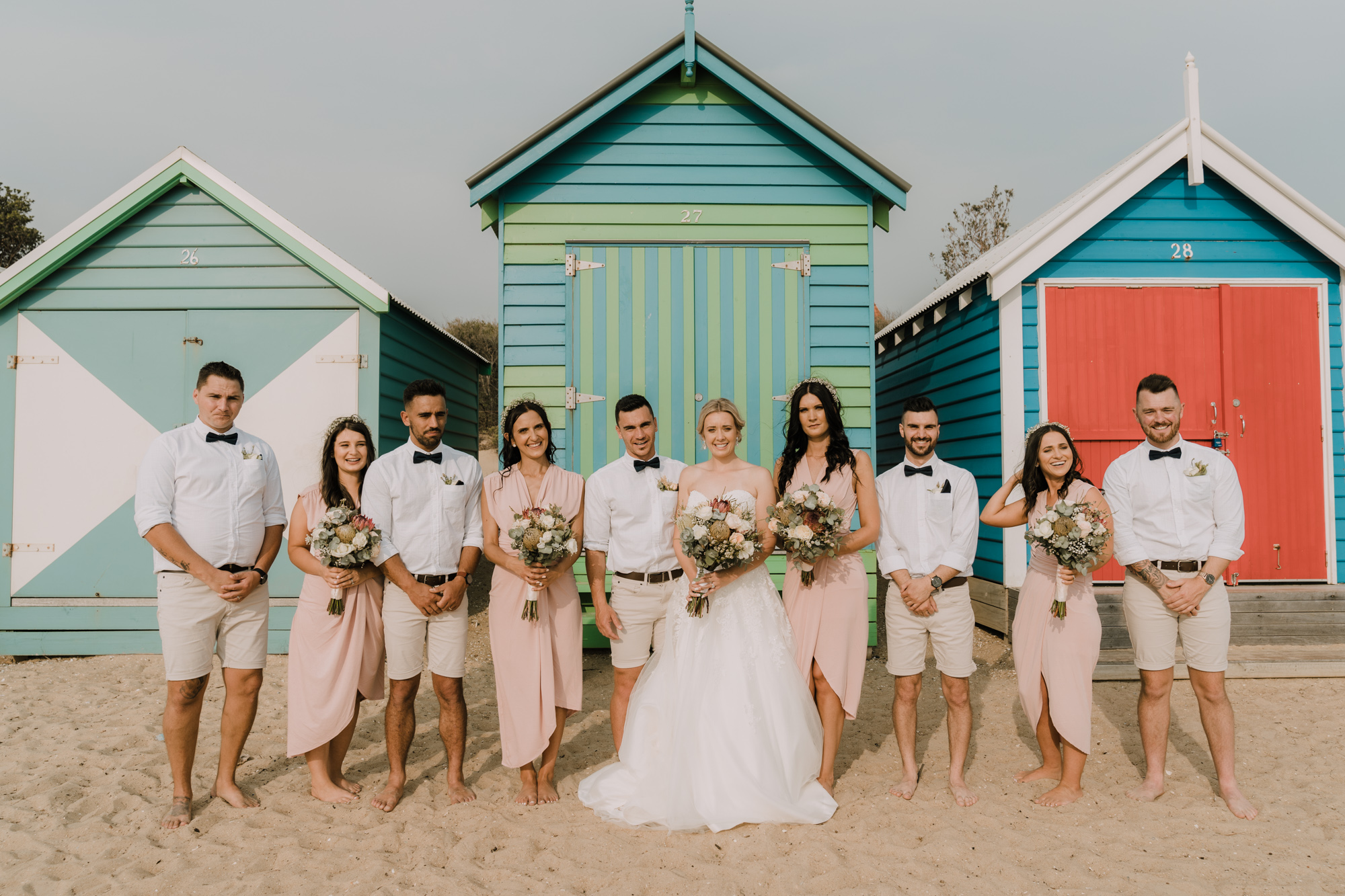
Beach Wedding Etiquette: Attire
As a result of the laid-back and carefree attitude, many brides opt for a beach wedding. This will be reflected in the attire you wear most of the time. Cotton dresses, shorts, flip-flops, and even bare feet aren't out of place at a beach wedding, which calls for informal attire. As a general rule, brides inform their guests in advance of the ceremony's dress code so they can plan their attire accordingly.
Beach Wedding Etiquette: Where To Sit?
Except for the parents, everyone sits on the other side of the aisle for beach weddings. Guests are frequently instructed to "please take a seat on either side" when dining in an open-seating establishment. In other cases, couples even choose to go down the aisle together, making the question of which side to sit on moot.
Beach Wedding Etiquette: Who Pays For What?
Guests are normally responsible for lodging, transportation to and from the wedding location, and any additional activities or meals that are not part of the wedding festivities. Bridesmaids' lodging is traditionally covered by the bride and her family, whereas the groom and his family typically cover groomsmen's lodging. In addition, the bride's family pays for the reception and ceremony, while the groom's family pays for the rehearsal. On the other hand, our All-Inclusive Wedding & Reception Packages are what most couples choose.
Beach Wedding Etiquette: Social Media
Every time a new app is released, the social media wedding etiquette laws change. Many wedding applications like WedPics make it easy for couples to keep all of their guests' wedding images in one location, and Facebook groups are a great way to stay in touch with them after the wedding. Wedding-related information can be conveyed through a variety of channels, including the register, child care, and gift-giving options. If you're organising or attending a beach wedding, a general rule of thumb is to be kind and gracious at all times, including on social media.
Beach Wedding Invitation Etiquette
Who Should I Invite To My Beach Wedding?
Weddings at a destination are more personal, as opposed to a church. Because of this, many couples want to keep their wedding guest list modest, with only close relatives and a few close friends in attendance. Then again, couples often invite a large number of friends and family members to their weddings. The couple's preferences would determine this for their wedding. It would be impolite to ignore the presence of guests from the bridal shower. Looking for a Wedding Photo Location? Look no further. Brighton Savoy has compiled an ultimate list of wedding photo locations to help you choose.
How Soon Should You Send Out The Beach Wedding Invitations?
Due to the fact that most, if not all, beach weddings are more of a get-away event, it is appropriate and fair to send out your invitations a very long time in advance. How much time has passed? At the very least, ten weeks before the actual wedding day. The purpose of this is to provide sufficient time for your guests to get ready.
What Should You Include In Your Beach Wedding Invitation?
What else should you put in your invitations, other than the location, once you've completed your preparations? There are a few things to keep in mind when planning a beach wedding, such as the fact that they are less formal than typical weddings in the church. Consider using your wedding's theme in the invitations, as well.
Including any specifics about attire in the invitation is also a good idea. It's important to remember that if the weather is warm and lovely, you'll want to wear a light beach wedding outfit. Be sure to check out our selection of beach wedding attire for men, women, and children.
Is It Proper Etiquette To Send The “Save The Date” With The Invitation?
Save the Date notices are typically sent ahead of time to give guests time to make any required travel arrangements. The optimum time to send out a "Save the Date" is as soon as you've decided on a date for your beach wedding and have finalised your guest list.
FAQs About Beach Wedding
Destination Wedding Etiquette Tips
Give Guests Extra Notice
Six to 12 months in advance of a wedding, you mail save-the-dates. But, when should you send out invitations if you're having a destination wedding?
Guests may require additional time to secure travel arrangements, make hotel reservations, schedule time off of work, and even obtain a passport, depending on where your wedding will take place. When planning a wedding in a location other than your home, you'll need to give your guests more advance notice.
After deciding on a date and booking a location, send out save-the-dates as soon as feasible. Every day is an opportunity. 3-4 months before the wedding is a good target date for sending formal invites. Guests should have plenty of time to make any required arrangements with this amount of time.
Help Arrange Travel Plans
Sending formal invites should also include as much useful travel and lodging information regarding the location and amenities as feasible. If you're travelling outside of the country, you'll need to know about customs, the location of your accommodation, and more.
If you're having a destination wedding, it's common for couples to divide up a block of rooms or provide many options for guests' lodging. Guests should be able to choose from a variety of options to find something that meets their budget. Looking for a Wedding Photo Location? Look no further. Brighton Savoy has compiled an ultimate list of wedding photo locations to help you choose.
Make sure your guests have as much information as possible so that they can arrange their attendance at your wedding. The information on your wedding website might serve as a helpful resource for guests who may have queries.
Be Transparent About Costs
Destination weddings can be pricey for both the bride and groom and their guests. Make sure your guests know the financial obligations they'll be asked to fulfil to attend your wedding. Make sure they realise what they're signing up for by providing them with an estimate of the travel costs. What they must pay and what is included in the wedding's expense should be made crystal plain to them.
Consider your Gift Policy
When it comes to wedding gifts, there are specific etiquette guidelines in place. For a destination wedding, though, you may want to rethink your approach to wedding gifts. Guests may have to shell out a significant amount of cash to attend your wedding, depending on where you choose to wed. Instead of asking for gifts, you could say your visitors' presence will suffice.
Alternatively, you might put together a bridal registry with lower-cost presents. Guests can give smaller presents as an alternative to bigger ones. If you don't have a gift registry, let attendees know that they aren't expected to bring anything or make it clear what you want to receive.
It would be best if you also kept in mind that guests may be unable to fit bulky gifts into their luggage. For gifts, try to keep them simple or even virtual, such as cash donations towards a wedding honeymoon fund or other internet gifts.
Account For Cultural Differences
Etiquette for destination weddings includes behaviour at the location itself. Be sure to consider the local culture of the area where your wedding will be held. For instance, tipping is not expected in certain nations and may even be disrespectful. For a better understanding of regional customs and practices, do some research on the culture of the area.
Be alert to the local customs and values in order to respect them when you arrive at your destination. Also, make sure not to appropriate cultural practices.
When organising your wedding journey, think about destination wedding etiquette! Although they can be costly, destination weddings are also a wonderful experience for the bride and groom and all their guests.
Destination weddings demand careful planning, whether you're the one getting married or a guest. These destination wedding etiquette tips should assist you in properly carrying out your wedding if you're the one being married, and if you're a guest, you'll know just how to handle this thrilling and once-in-a-lifetime event!
Conclusion
Beach wedding etiquette differs from more "formal" wedding venues. Even though this is your wedding, the beach is still open to the public. An informal dress code and flip-flops or even bare feet are helpful hints for beach brides/gougeas. Beach weddings tend to be short and sweet affairs. Make sure there is enough room for everyone if there are many people or the ceremony is protracted.
If you and your partner are the only ones invited, don't bring your entire family. Do not bring a plus one! If you're having your wedding on a tropical beach, you don't have to worry too much about being overly traditional in your attire. If, on the other hand, it's an indoor evening function, make the necessary adjustments. Find the time to buy a thoughtful, personal gift that the recipient will appreciate.
Always keep in mind that most beaches are open to the public unless you've purchased the entire stretch for the duration of your nuptials. Cotton dresses, shorts, flip-flops, and bare feet aren't out of place at a beach wedding, which calls for informal attire. Beach weddings are more of a get-away event, so it is appropriate and fair to send out your invitations a very long time in advance. There are a few things to keep in mind when planning a beach wedding, such as the fact that they are less formal than typical church weddings. The optimum time to send out a "Save the Date" is as soon as you've decided on a date for your beach wedding.
When planning a wedding in a location other than your home, you'll need to give your guests more advance notice of the location and amenities. Destination weddings are a once-in-a-lifetime experience for both the bride and groom and all their guests.
Content Summary
- Most people have been to church weddings, where "standard etiquette" is the rule, but do you know how to conduct yourself at a beach wedding?
- Here are some recommendations to help you prepare for your next beach wedding.
- A beach is ideal for a wedding during this wonderful time of year.
- Of course, if you've been to many weddings in churches and other settings, you already have a good idea of what to expect.
- Beach wedding etiquette differs from more "formal" wedding venues.
- Having attended a church wedding before, do you have any idea how to conduct yourself during a beach wedding?
- Ahead of the big day, here are some helpful hints.
- Beach Wedding EtiquetteSharing Is CaringKeep in mind that even though this is your wedding, the beach is still open to the public.
- Please remember to clean up after your event, be respectful of the people around you, and share the area with them.
- Beware Of WildlifeKeep in mind that your beach wedding will be surrounded by nature.
- Consider carefully the months of the year you want to tie the knot.
- Keeping this in mind, always perform extensive research on the site of your future wedding.
- Find out if there are any animals in the region or if they cover the beach at the time of your big day.
- You shouldn't expect your guests to show up to a beach wedding dress-up and stumble through the sand in high heels, after all.
- Let your guests know ahead of time so they can enjoy the ceremony in the sun and sand.
- Make a plan ahead of time!
- It is only nice to provide transportation and housing options for your wedding guests, especially if they are travelling from out of town!
- RSVP PromptlyInform the happy couple as soon as you know if you can attend their wedding or not the day before.
- Responding ahead of time can help alleviate some of the tension.
- The bride isn't going to be you.
- It's not the right time to stifle her success.
- Wear suitable attire, too.
- You must adhere to the dress code stated in the invitation if you want to attend.
- Do Bring A GiftIt's only right that guests bring a present for the happy couple, and the wedding register is the perfect place to do so.
- Show Up On TimeThe bride, of course, is the only one who can be late.
- Arrive a few minutes early.
- If you're a wedding party member, you should arrive well ahead of time.
- The wedding planner will provide call times for the bridal party the day before the wedding, so be sure to wake up early and stick to the plan.
- There are many options for lodging and transportation near your wedding location, and you should tell your guests about them as soon as possible so they can plan accordingly.
- Wearing a suit and tie to the beach is an absolute no-no.
- However, while it is still conceivable, it is not the most comfortable or appropriate clothing for anyone to wear, especially while at the beach.
- While you and your partner may still be dressed to impress, let your guests know that they don't have to wear anything similar to your clothing.
- Tell them they can wear whatever they want to the beach, including sandals, t-shirts, and shorts.
- Strangers and onlookers surround you at your wedding.
- Remember to tidy up after the ceremony, too.
- Keep this in mind if you're getting married on the beach.
- These etiquette tips are in mind.
- As a consequence, your guests will have a great time, and your beach wedding will be one to remember.
- As a general rule, brides inform their guests in advance of the ceremony's dress code so they can plan their attire accordingly.
- Beach Wedding Etiquette: Social MediaEvery time a new app is released, the social media wedding etiquette laws change.
- If you're organising or attending a beach wedding, a general rule of thumb is to be kind and gracious at all times, including on social media.
- The couple's preferences would determine this for their wedding.
- How Soon Should You Send Out The Beach Wedding Invitations?Due to the fact that most, if not all, beach weddings are more of a get-away event, it is appropriate and fair to send out your invitations a very long time in advance.
- The purpose of this is to provide sufficient time for your guests to get ready.
- Including any specifics about attire in the invitation is also a good idea.
- Is It Proper Etiquette To Send The "Save The Date" With The Invitation?Save the Date notices are typically sent ahead of time to give guests time to make any required travel arrangements.
- The optimum time to send out a "Save the Date" is as soon as you've decided on a date for your beach wedding and have finalised your guest list.
- Destination Wedding Etiquette Tips Give Guests Extra Notice Six to 12 months in advance of a wedding, you mail save-the-dates.
- When planning a wedding in a location other than your home, you'll need to give your guests more advance notice.
- After deciding on a date and booking a location, send out save-the-dates as soon as feasible.
- 3-4 months before the wedding is a good target date for sending formal invites.
- Guests should have plenty of time to make any required arrangements with this amount of time.
- Make sure your guests have as much information as possible so that they can arrange their attendance at your wedding.
- The information on your wedding website might serve as a helpful resource for guests who may have queries.
- Make sure your guests know the financial obligations they'll be asked to fulfil to attend your wedding.
- Make sure they realise what they're signing up for by providing them with an estimate of the travel costs.
- Consider your Gift Policy When it comes to wedding gifts, there are specific etiquette guidelines in place.
- For a destination wedding, though, you may want to rethink your approach to wedding gifts.
- Be sure to consider the local culture of the area where your wedding will be held.
- Be alert to the local customs and values in order to respect them when you arrive at your destination.
- When organising your wedding journey, think about destination wedding etiquette!
- These destination wedding etiquette tips should assist you in properly carrying out your wedding if you're the one being married, and if you're a guest, you'll know just how to handle this thrilling and once-in-a-lifetime event!