
Termites, frequently referred to as the "silent destroyers," can wreak havoc on your home by eating away at the structure responsible for keeping it together. These minuscule pests are infamous for their capacity to wreak enormous damage before they are discovered, resulting in expensive repairs and a great deal of stress for homeowners. The question is, however, what if there was a means to stop their actions immediately? In the topic that we will discuss today, we will go deeply into the realm of termite management.
We will unearth the most successful methods and treatments that promise to eliminate these destructive insects as quickly as possible. You have arrived at the appropriate location, whether you are now combating a termite infestation or want to empower yourself with the knowledge to prevent future invasions.
These are both valid reasons to visit this location. We will discuss all of the alternatives that are accessible to you, ranging from the more conventional treatments to the most recent technological developments in pest management.
Our objective is to give you a complete reference that not only provides an answer to the topic of what causes termites to die instantaneously but also provides information regarding tactics for preventing, detecting, and protecting against termites over the long term.
Consequently, if you are prepared to wage war against termites and safeguard your property against their damaging ways of operating, continue reading. The first step on your journey to a home free of termites is here!
Why Instant Killing Methods?
In the battle against termites, homeowners and property managers are often faced with the daunting task of choosing the most effective method to protect their investments. Termites, known for their destructive feeding habits, can cause significant structural damage to homes and buildings in a relatively short period.
This is where the importance of instant killing methods comes into play, offering a swift and decisive solution to termite infestations. Here's why opting for instant killing methods on termites is not just a choice but a necessity.
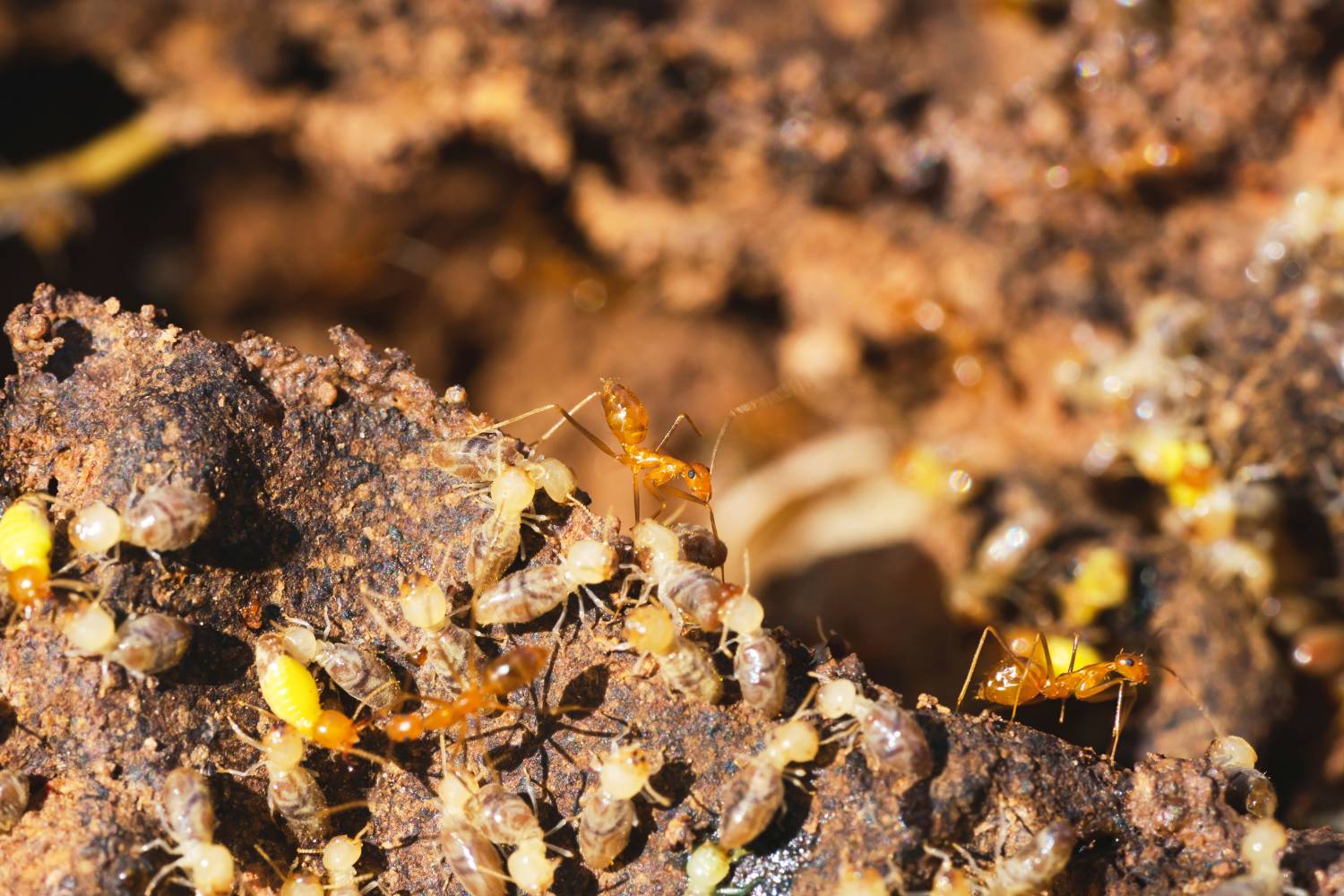
Immediate Results
The primary advantage of instant killing methods is, as the name suggests, their ability to deliver immediate results. Traditional termite control methods, such as baiting, can take months to eradicate a colony.
In contrast, instant killing methods, like liquid termiticides, foam agents, and physical treatments, such as heat or cold, act swiftly to eliminate termites upon contact. This rapid action is crucial in halting the spread of damage and preserving the integrity of your property.
Cost-Effectiveness
While the initial investment in instant killing methods may seem higher than other treatments, the long-term savings are significant. By immediately addressing termite infestations, these methods prevent further damage to structures, which can result in costly repairs down the line. Early intervention with instant killing solutions can save homeowners thousands of dollars in structural repair and replacement costs.
Comprehensive Coverage
Instant killing methods often provide more comprehensive coverage compared to slower-acting treatments. For example, liquid termiticides create a barrier that kills termites on contact and protects the property from future infestations. Similarly, physical methods like heat treatment can penetrate hard-to-reach areas, ensuring no termite is left behind. This thorough approach is essential for achieving long-term termite control and peace of mind.
Advanced Technology
Advancements in pest control technology have benefited the development of instant killing methods. Modern solutions are designed to be more effective, environmentally friendly, and safer for humans and pets. Innovations like non-toxic foam agents and eco-friendly heat treatments reflect the industry's move towards sustainable practices without compromising efficacy.
Instant Killing Methods For Termites
In the quest to protect our homes from the silent but destructive force of termites, instant killing methods stand out as both practical and necessary.
These methods offer a swift response to termite infestations, ensuring minimal damage and preserving the structural integrity of our properties. Here, we explore various instant killing methods for termites, drawing insights from leading pest control experts and natural remedies that have proven efficacy.
Traditional And Modern Termite Treatments
GPS Pest Control emphasises using traditional termite treatments, such as soil barrier treatments, wood protection treatments, and baiting granules. These methods aim to create a protective zone around your property, killing any termites that attempt to cross the barrier and treating wood to prevent future infestations.
Monitoring and baiting alongside liquid barrier termiticide treatments. These methods focus on eradicating existing colonies and preventing new ones from forming, showcasing the blend of traditional and innovative strategies in termite control.
Diy And Natural Solutions
Buckaroo Pest Protection highlights several home remedies, including soapy water, vinegar, and orange oil. These substances can suffocate or chemically repel termites, offering immediate but temporary solutions to termite presence in your home.
All-natural ways of eliminating termites, such as using essential oils like clove and neem, beneficial nematodes, and sunlight exposure. These methods provide eco-friendly alternatives to chemical treatments, focusing on disrupting the termites' natural processes or directly attacking the colony with natural predators.
The Importance Of Professional Intervention
While DIY and natural solutions can offer immediate relief in some cases, the complexity and resilience of termite colonies often necessitate professional intervention. Experts in termite control possess the knowledge, tools, and techniques to effectively identify, target, and eliminate termite colonies, ensuring a comprehensive solution to the problem.
Professionals utilize a combination of instant killing methods and long-term prevention strategies tailored to the specific needs of your property. They can also provide valuable advice on maintaining a termite-free environment, including regular inspections and modifications to your home's surroundings to deter future infestations.
Safety Considerations
In the relentless battle against termites, the safety of our homes, families, and pets is paramount. While instant kill methods offer a powerful solution to termite infestations, understanding and adhering to safety considerations is crucial. This article delves into the safety aspects of various termite treatments, drawing insights from leading pest control experts.
Professional Application Is Key
The importance of professional termite treatment applications. Whether it's soil barrier treatments, baiting systems, or liquid termiticides, these methods involve substances that require careful handling. Professionals are trained to apply these treatments effectively, minimising the risk to humans and pets and ensuring that the termites are eradicated without adverse environmental effects.
Understanding The Fumigation Process
Fumigation is a potent method used in termite eradication, using chemical gases to penetrate termite colonies. Fumigation process, highlighting the stringent safety measures that must be followed.
From vacating the premises to sealing food and medicine and the thorough ventilation of the property post-treatment, each step is designed to ensure the safety of the inhabitants. Re-entry into the property is only allowed once certified fumigators have deemed it safe, ensuring no harmful residues remain.
Eco-Friendly Alternatives
Recognizing the growing concern for environmentally friendly pest control solutions, Hybrid Pest Control discusses less toxic methods for termite extermination. Techniques such as liquid termiticides, baiting systems, and natural remedies like orange oil and nematodes offer effective termite control with a reduced environmental impact. These methods provide safety benefits and cater to those seeking sustainable pest control options.
Safety Precautions And Eco-Friendly Measures
The safety of termite treatments extends beyond the immediate application. It encompasses the selection of treatment methods that are not only effective but also considerate of the environment and non-target species.
Pest control companies increasingly adopt eco-friendly practices, using substances that pose minimal risk to humans, pets, and beneficial organisms. By choosing a professional pest control service that prioritizes safety and environmental responsibility, homeowners can ensure the effective and safe eradication of termites.
Prevention Tips
Prevention is undoubtedly better than cure in the quest to safeguard our homes from the silent devastation caused by termites. While instant kill methods offer a rapid solution to termite infestations, implementing effective prevention strategies can significantly reduce the risk of termites making your home their next target. Drawing insights from leading pest control experts, we've compiled essential prevention tips to keep termites at bay.
Environmental Management And Home Maintenance
GPS Pest Control emphasizes the importance of environmental management around your property. Removing tree branches, debris, and cellulose materials near your home can deter termites by eliminating potential food sources and nesting sites. Additionally, repairing leaking taps and pipes reduces moisture levels, making your property less attractive to moisture-seeking subterranean termites.
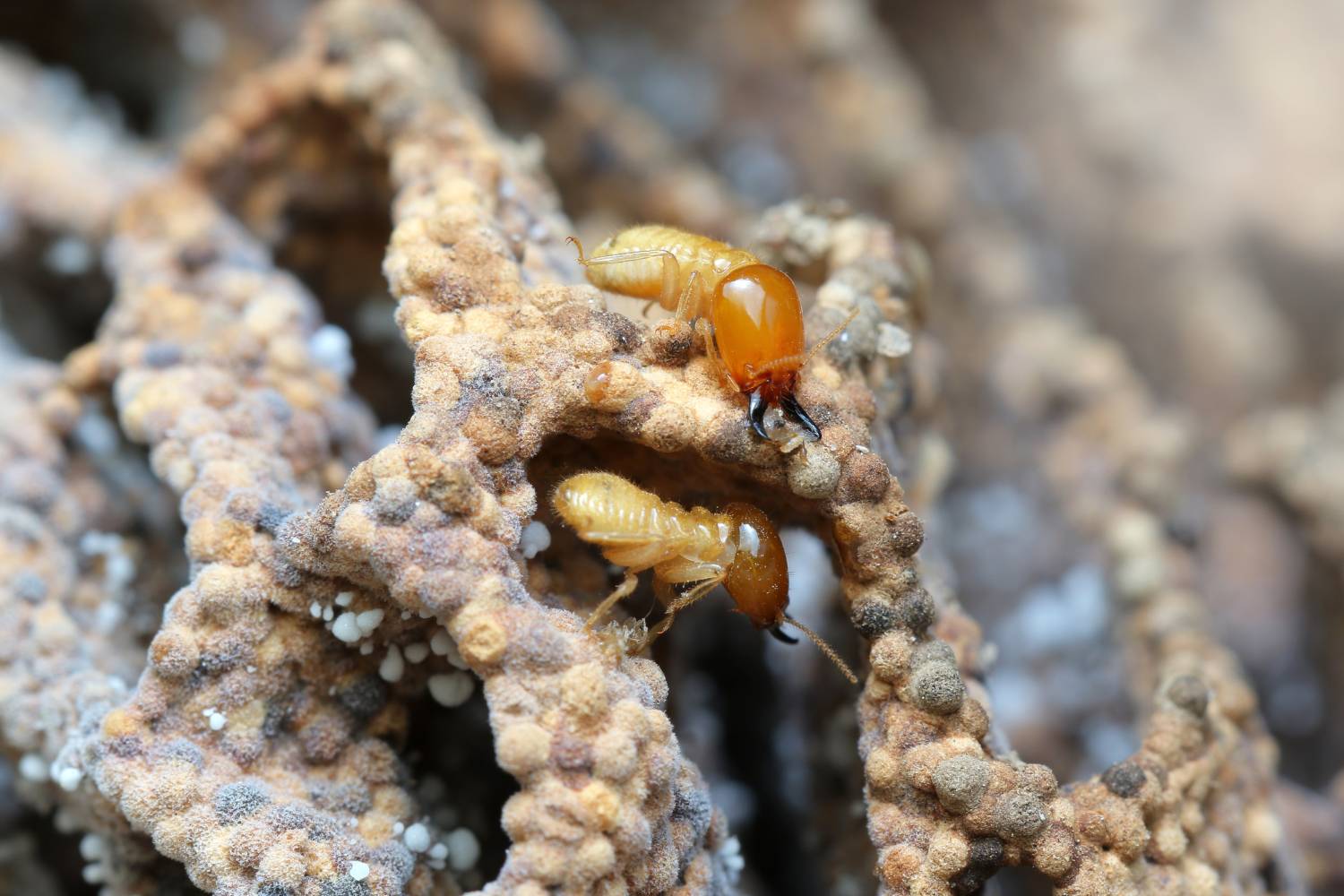
Diy Monitoring And Structural Precautions
Rentokil Pest Control Philippines offers practical DIY monitoring tips, such as using termite-treated wood for garden beds and ensuring that climbing plants do not grow against your home's structure. These measures prevent termite access and help in early detection, allowing for timely intervention before an infestation becomes extensive.
Natural Remedies And Household Adjustments
Exploring natural ways to prevent termites, Pest Protection suggest several home remedies and adjustments. From maintaining proper ventilation to reducing humidity to using natural termite repellents like neem oil and diatomaceous earth, these strategies can create an environment less conducive to termite infestation. Regular cleaning and decluttering can also minimize potential termite habitats within your home.
Conclusion
Termites, known as "silent destroyers," can cause significant structural damage to homes and buildings in a short period. Instant killing methods, such as liquid termiticides, foam agents, and physical treatments like heat or cold, offer a swift and decisive solution to termite infestations. These methods deliver immediate results, preventing further damage to structures and preserving property integrity.
Increased technology has benefited the development of instant killing methods, with modern solutions designed to be more effective, environmentally friendly, and safer for humans and pets. Innovations like non-toxic foam agents and eco-friendly heat treatments reflect the industry's move towards sustainable practices without compromising efficacy.
Traditional and modern termite treatments include soil barrier, wood protection, and baiting granules. These methods aim to create a protective zone around the property, killing any termites that attempt to cross the barrier and treating wood to prevent future infestations. Monitoring and baiting alongside liquid barrier termiticide treatments, focusing on eradicating existing colonies and preventing new ones from forming.
In summary, instant killing methods are essential for homeowners and property managers to protect their investments from termites and maintain the structural integrity of their properties.
Buckaroo Pest Protection offers DIY and natural solutions for termite control, such as soapy water, vinegar, and orange oil. Pest Control explores all-natural methods like essential oils, nematodes, and sunlight exposure as eco-friendly alternatives. Professional intervention is crucial for identifying, targeting, and eliminating termite colonies. Professionals use a combination of instant killing methods and long-term prevention strategies tailored to the property's specific needs.
Safety considerations are crucial in the battle against termites. Professionals are trained to apply treatments effectively, minimizing risks to humans and pets. Fumigation, a potent method, involves chemical gases to penetrate termite colonies. Pest Control outlines the fumigation process, requiring vacating premises, sealing food and medicine, and thorough ventilation.
Eco-friendly alternatives like liquid termiticides, baiting systems, and natural remedies like orange oil and nematodes offer effective termite control with a reduced environmental impact. Safety precautions and eco-friendly measures are essential for homeowners.
Prevention is better than cure, and implementing effective prevention strategies can significantly reduce the risk of termites becoming a target. Environmental management, such as removing debris and repairing leaking pipes, can deter termites. DIY monitoring and structural precautions, such as using termite-treated wood for garden beds, can help prevent termite access and prevent infestations.
Content Summary
- Termites, often called "silent destroyers," can cause significant damage to homes by eating away at structural supports.
- These pests are notorious for their ability to cause extensive damage before being detected, leading to costly repairs and stress for homeowners.
- Our discussion focuses on termite management, exploring effective methods and treatments to eliminate these pests instantly.
- Whether you're currently dealing with a termite infestation or seeking to prevent one, this guide aims to provide comprehensive insights.
- We'll cover a range of options, from traditional treatments to the latest advancements in pest control technology.
- Our goal is to offer a thorough guide that answers questions about how to kill termites instantly and covers prevention, detection, and long-term protection strategies.
- Instant killing methods for termites are essential for homeowners and property managers to protect their investments from these destructive pests.
- The primary advantage of instant killing methods is their ability to deliver immediate results, unlike traditional methods like baiting, which can take months.
- Instant killing methods, such as liquid termiticides, foam agents, and physical treatments like heat or cold, act swiftly to eliminate termites upon contact.
- These methods are quick and offer long-term savings by preventing further damage to structures.
- Instant killing methods provide comprehensive coverage, ensuring no termites are left behind, and the property is protected from future infestations.
- The development of these methods has benefited from advancements in pest control technology, making them more effective and environmentally friendly.
- Pest Control highlights the importance of traditional termite treatments like soil barrier and wood protection treatments.
- Pest Control offers a holistic approach with monitoring and baiting alongside liquid barrier termiticide treatments.
- Pest Protection discusses home remedies and natural solutions for termite elimination.
- Despite the effectiveness of DIY and natural solutions, professional intervention is often necessary due to the complexity of termite colonies.
- Professionals use a combination of instant killing methods and long-term prevention strategies tailored to the specific needs of the property.
- Safety considerations are paramount in the battle against termites, with professional application of treatments being key to minimising risks.
- The fumigation process involves strict safety measures to ensure the safety of inhabitants, requiring vacating the premises and sealing food and medicine.
- Eco-friendly alternatives to traditional chemical treatments are discussed, offering effective termite control with reduced environmental impact.
- Prevention is better than cure regarding termite infestations, with effective strategies significantly reducing the risk of termites targeting your home.
- Environmental management and home maintenance are crucial, with the removal of potential food sources and moisture reduction being key preventive measures.
- DIY monitoring and structural precautions, such as using termite-treated wood and preventing climbing plants from growing against structures, help in early detection.
- Natural remedies and household adjustments, like maintaining proper ventilation and using natural termite repellents, can deter termite infestations.
- Regular cleaning and decluttering minimize potential termite habitats within the home, further aiding in prevention.
- The guide aims to empower homeowners with the knowledge to tackle termite problems head-on, offering solutions for instant eradication and long-term prevention.
- Understanding the enemy is the first step in effective termite management, with this guide serving as a comprehensive resource for combating these pests.
- The necessity of instant killing methods stems from the urgent need to stop termites in their tracks before they can cause irreversible damage.
- The cost-effectiveness of these methods is highlighted, with early intervention preventing the need for expensive repairs in the future.
- Advanced technology is crucial in developing safer and more effective termite treatments, reflecting the industry's move towards sustainability.
- The importance of professional intervention cannot be overstated, with experts possessing the necessary knowledge and tools to tackle termite infestations effectively.
- Safety considerations ensure that termite treatments are conducted to protect the health and well-being of families and pets.
- The fumigation process, while potent, requires adherence to strict safety protocols to ensure it is safe for all involved.
- Eco-friendly alternatives provide options for those seeking less toxic termite extermination methods, aligning with environmental concerns.
- The comprehensive coverage of instant killing methods ensures that properties are thoroughly protected from the threat of termites.
- Traditional and modern termite treatments offer a range of options for homeowners, from soil barrier treatments to liquid termiticides.
- DIY and natural solutions offer alternative approaches to termite control, utilizing common household items and natural substances.
- The blend of traditional and innovative strategies in termite control showcases the evolving nature of pest management.
- The guide serves as a starting point for homeowners looking to protect their properties from the damaging effects of termites.
- By following the prevention tips outlined, homeowners can create a less attractive environment for termites, reducing the risk of infestation.
- Regular inspections by professionals are recommended to catch early signs of termite activity and implement preventive measures.
- The guide emphasizes the critical role of immediate action in termite management, highlighting the benefits of instant killing methods.
- Homeowners are encouraged to stay informed and proactive in their approach to termite control, ensuring their homes remain safe and secure.
- The journey to a termite-free home begins with understanding the available treatments and prevention strategies.
- The article provides a comprehensive overview of termite management, from instant killing methods to long-term prevention and safety considerations.
- The guide aims to facilitate effective termite control and protection strategies by equipping homeowners with the necessary knowledge.
- The collaboration between homeowners and pest control professionals is key to achieving a termite-free environment.
- Environmental responsibility and safety are central themes in the discussion of termite management, reflecting the importance of sustainable practices.
- The guide is essential for anyone looking to understand and combat the threat of termites to their property.
- Ultimately, the goal is to empower homeowners to take decisive action against termites, protecting their homes and investments from these destructive pests.