
Consider yourself lucky if you're thinking about making your wedding cake.If you want to build your wedding cake, you'll need a particular person in your life. An experienced baker who enjoys whipping up sweet goodies for family and friends and who keeps calm under pressure, is strong at time management, and can roll with the punches, are the ideal candidates for this role. It may be time to think about making your wedding cake if this sounds like something you'd enjoy doing.
Even if your KitchenAid stand mixer is your best buddy, baking at this scale—both in terms of the quantity of mouths to feed and the emotional significance—is not for the faint of heart. To achieve the finest results while making your wedding cake, take your time and do your research. Do you have second thoughts about a homemade wedding cake? Read our ten suggestions on how to make your wedding cake below to see whether this sounds doable and if it does, get inspired by some gorgeous yet approachable wedding cake ideas.
10 Tips For DIY Wedding Cake Perfection
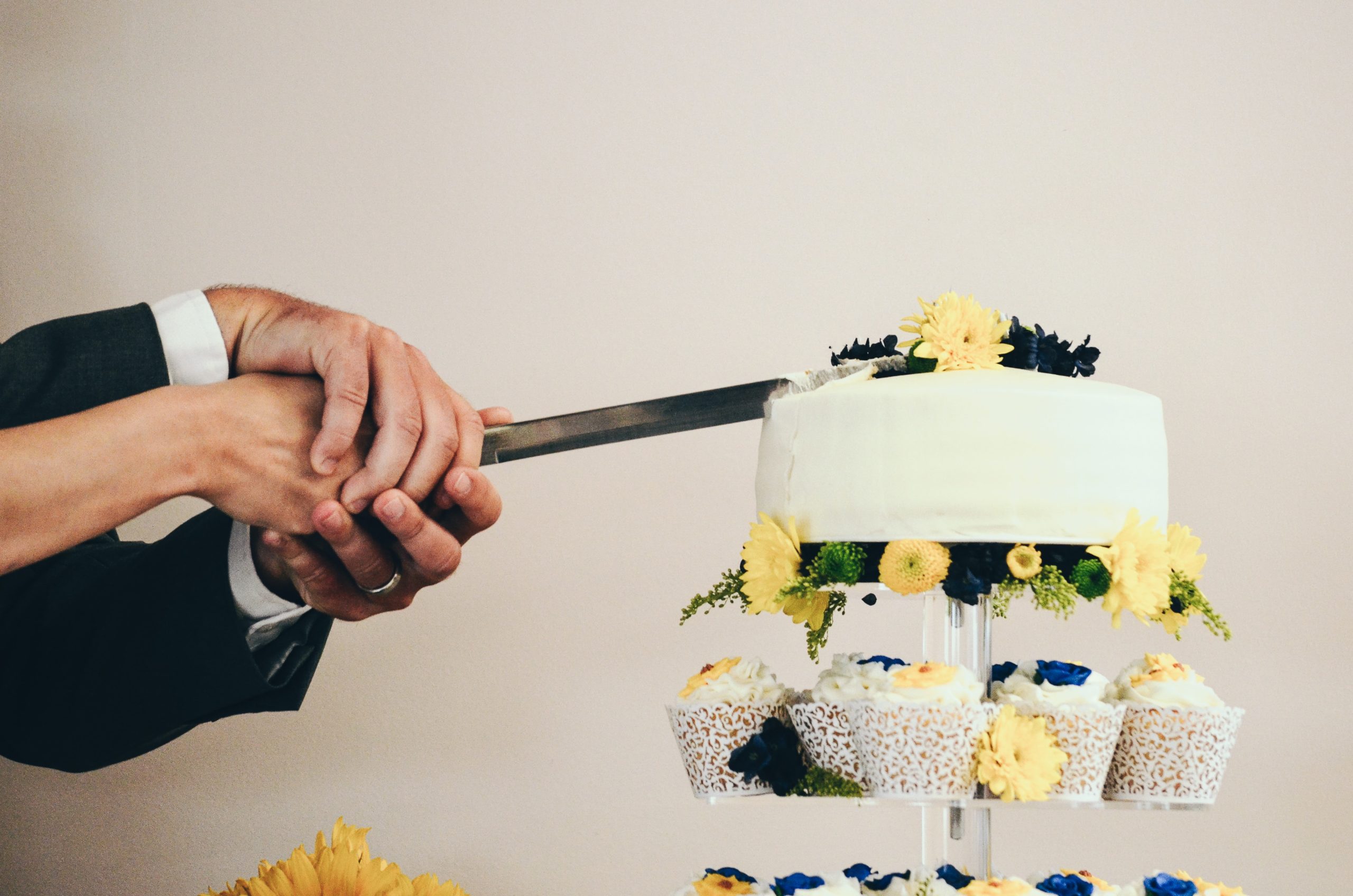
1. Consider Your Motivation
To make your wedding cake, if you truly desire it, love baking, and are comfortable with a variety of outcomes (such as the design not being exactly what you had in mind, or running out of time and serving guests sheet cake from the nearest grocery store, or no cake at all), you should do so. Do not make your cake yourself to save money or be dubbed Wedding DIY Queen. A DIY wedding cake is a lot more expensive than you might think if you take into account the cost of ingredients, display tools, and the amount of time it will take you to make the cake. Your time is priceless when it comes to arranging a wedding.
2. Stay in Your Comfort Zone
A passion fruit gelée recipe or a complex technique you've never tried isn't appropriate. Stick to cake recipes you've already perfected and know to be delicious. If your speciality is your grandmother's chocolate babka, don't feel constrained by the traditional white-on-white, multi-tiered design. You'll get fantastic reviews if you make it yourself, can cut it and serve it properly and if it tastes excellent.
3. Practice
It's all about the trial runs when it comes to DIY wedding projects. Keep in mind that YouTube tutorials might be time-consuming or difficult to follow, so don't wait until the week before your wedding to find out. This is not a time for "guesswork," so get started on your wedding cake months before the big day, so you have time to experiment, fail, and figure out exactly what you need to do. If you decide to go with a professional baker instead of making your wedding cake, you'll have plenty of time.
4. Prepare (Like, Really)
Do your research. Your trial run should have taught you how long each step of the process should take and which tools are essential. Plan your cake-making schedule so you have a definite game plan for what has to be done and when throughout your wedding week. Gather all of your supplies, keep them organised while you work, and leave time for mistakes and do-overs. And, if possible, avoid delegating any cake-related activities on your wedding day.
5. Use Your Freezer
Making and freezing the tiers ahead of time will keep you from being covered in flour for days before your wedding—and it will increase the quality of the ultimate product. It is easier to work with a slightly frozen cake, and there will be fewer crumbs in the final frosting if the cake has been frozen. If you want to keep your cake layers fresh for up to a month, cover them in plastic wrap or tin foil, and put them in the back of your freezer.
6. Accept Imperfection
This tip applies to any DIY wedding project: if you take on a wedding duty typically designated for experts, you will have to accept less-than-professional results. Their delightfully imperfect appearance enhances the appeal and particular beauty of handmade goods. If you'll be cringing all night over your slightly-left-leaning homemade cake, or if you'll be up until 5 a.m. attempting to exactly reproduce that Pinterest video for the perfect fondant ribbon, find another wedding project to complete by hand.
7. Keep It Simple
Keeping with that train of thought, it is not going to matter to anyone (or even be seen) if your wedding cake is on the simpler side. You do not need to become an expert in sugar-paste art in order to put your stamp on your wedding cake. All you need to do is make something delicious and easy (enough) to pull off, and rely on the beauty of fresh flowers and smart presentation to help add that "wow" factor to your cake.
8. Cheat (A Little)
Step 1: Create one little, gorgeous work of cake art and proudly exhibit it. Step 2: Expect guests to ooh and ahh! Step 3: Have your catering team slice and serve store-bought sheet cake behind the scenes. Even if most of your guests don't eat it, you'll still officially make your wedding cake.
9. Remember Transport
Creating a showpiece in your own house is one thing; transporting a tier-tower of sugar to your wedding site is quite another. Don't forget to allocate time (or money, depending on how far you're going) for packing and transporting your cake. There may be an on-site refrigerator where you can store your cake for the day or two before your event. Get the support of someone you trust, especially if you're transporting the item on the day of the event!
10. Lean on Decoration
An otherwise unremarkable cake can be elevated to the level of a work of art simply by decorating it with a handful of beautiful fresh flowers. This is a point that bears reiterating. Your handcrafted masterpiece can be elevated to the next level by incorporating the finishing touches, which are as follows: Place it on an attractive cake stand, decorate the top with some robust flower heads (roses, peonies, dahlias, ranunculus, and sunflowers are all fantastic options), and then place a topper or a sign on top of it.
What Are The Most Popular Flavours For A Wedding Cake?
"Cake is the glue of the wedding," a fictional bakery proprietor from Gilmore Girls tells us in an episode of the show.
Having a wedding cake is important, and she's right about that. Wedding cake types and flavours are critical choices as you plan your big day. It's easy to become dazzled by all the many flavour combinations, icings, fillings, and embellishments you can use.
If you're looking for inspiration for your wedding cake, this guide will show you the most popular cakes over the last 60 years, the hottest flavours, and the most adventurous delectables. You'll also get a taste for different flavour profiles that go well with other cake flavours, which might help you come up with new cake ideas. What's the holdup? Get your hands dirty!
4 Most Popular Flavours Over The Last 60 Years
Since the 1960s, the four traditional flavours of wedding cake have remained unchallenged as the most popular choices for this special occasion. For decades, these cakes have been pleasing the palates of wedding guests and couples, and they are certain to continue to do so for years to come.
Vanilla
Choosing a vanilla cake for your wedding is a safe bet. White wedding cake is a crowd-pleaser; it's airy, delectable, and matches the decor.
Suggested Flavour Combinations: Vanilla is as versatile as it is popular. Vanilla buttercream is a typical choice for the filling and icing, but you may get creative with the flavours. Here are a few real-world examples:
- More vanilla
- Chocolate
- Coconut
- Fruit or berries
- Amaretto
Chocolate
Wedding guests rave about this decadent flavour, sure to please chocolate lovers everywhere. Tiered vanilla cake and vanilla buttercream are traditional fillings for this cake. This classic flavour can add creative fillings, frosting, and other embellishments.
The following is a list of possible flavour pairings: Cakes made with chocolate can be both indulgent and delicate, depending on the type of chocolate used. Choose from one of the following flavours:
- Salted Caramel
- Toffee
- Espresso
- Raspberry
- Vanilla
- Marshmallow
- Dark Chocolate
- German Chocolate
- Black Forest
- White Chocolate
Yellow Cake
In the 1970s, this moist, buttery confection became one of the most popular wedding cake flavours in the United States. However, you may be asking what makes the yellow cake so yellow in the first place. With the exception of the whole eggs, including the yolks, the components are nearly identical to those of a white or vanilla cake. There are no yolks in white and vanilla cakes, so they retain their pale hue. The addition of entire egg yolks, on the other hand, gives a yellow cake colour and richness.
Suggested Flavour Combinations: With chocolate, the golden confection is best, but you can experiment with fillings and icings:
- Vanilla
- Caramel
- Cream cheese
Red Velvet
Red velvet cakes are known for their luscious flavour, soft texture, and gorgeous colour. The unusual combination of cocoa powder, buttermilk, and vinegar distinguishes this cake from others. As a result, the proteins in this mixture become softer, making it ideal for weddings.
Suggested Flavour Combinations: Most bakers recommend using a basic cream cheese icing on a red velvet cake. However, there is some leeway to experiment with other flavour pairings:
- Vanilla
- Cream cheese
- Berries
- Raspberry jam
- Chocolate chips
FAQs About Wedding Cake
As you communicate with the person who will be baking your cake, give some consideration to the ambience you wish to cultivate in its whole. The total aesthetics you can accomplish will be enhanced not only by the wedding cake itself but also by the method in which it is displayed at the reception.
The Up-And-Comers
If you are looking for something a little bit more out of the ordinary, look at these trendy flavours that are perfect for a spectacular (and delectable) wedding cake.
Funfetti
As the last point, we can all agree that grownups enjoy funfetti just as much as children. Rather than the traditional white or vanilla cake, this cake is adorned with a rainbow of colours. Also, the pre-packaged variety isn't required. Funfetti-flavoured wedding cakes can be made by bakers across the country using a variety of sprinkles.
Suggested Flavour Combinations: Your funfetti flavour pairings should be light and fun:
- Berry
- Vanilla bean
- Cream cheese
- Strawberry jam
- Sprinkles
Lemon
Lemon cakes are perfect for summer weddings since they are sweet and sour. In the winter, they can provide some warmth to a party. There is nothing better than lemon cake with mousse filling if you aren't a big lover of buttercream.
Suggested Flavour Combinations: Pairings with lemon cake should focus on lightness, sweetness, and airiness:
- Berries
- Cream cheese
- Amaretto
- Raspberry
- Vanilla
Spice Cakes
The term "spice cake" does not imply that the cake itself is spicy; instead, it refers to the fact that specific spices are noticeable in each piece. Nothing beats a spice cake for adding a special touch of flavour, warmth, and cosiness when it comes to wedding cakes. Spice things up for the colder months with wintery flavours like cinnamon, ginger, clove, and cardamom.
Suggested Flavour Combinations: The combination of warm, honey-spiced ingredients lends these cakes a wintery flavour. Various fillings can amplify the frigid winter references, or you can counteract the spice with year-round flavours like cinnamon and ginger:
- Molasses
- Maple syrup
- Honey
- Toffee
- Cream cheese
- Vanilla
- Amaretto
- Whiskey
- Hazelnut
- Jam
Almond
Cakes made with almonds are increasingly popular because of the nutty flavour and the variety of ways they may be combined with other foods. The moistness and somewhat denser texture of these cakes set them apart from the standard wedding cake. Cakes made with almonds are another prevalent flavour in gluten-free cake substitutes.
Suggested Flavour Combinations: Almond cakes are virtually as adaptable as vanilla or white cakes when it comes to fillings and icings. Find a flavour that sings to your palate by combining these complementing flavours:
- Caramel
- Lemon
- Whipped cream
- Pear
- Toffee
- Apple
- Blueberry
- Cinnamon
Pink Champagne
A cake flavoured like pink Champagne will bring two times the joy to any party. Champagne is incorporated into the vanilla cake that constitutes this sweet treat. It goes well with the floral arrangements and effervescent wedding refreshments.
Suggested Flavour Pairings: Pink Champagne cakes are not overly sweet, have a good amount of moisture, and contain a hint of the flavorful Champagne. Sweet fillings and icings are the perfect accompaniment to those decadent flavours:
- Raspberry
- Lemon
- White chocolate
- Vanilla
The Mavericks
Take a look at these maverick flavours if you're searching for a flavour that sticks out from the crowd and deserves a standing ovation for its deliciousness. They are perfect for creating a wedding cake that is both unique and delectable.
Cognac
A cognac cake will transport you and your guests to an expensive French hunting lodge. Cognac, rather than water, is used in the batter of this thick, warm wedding cake to give it a distinct flavour. Holiday herbs may be added to a cognac cake. If you're planning a winter wedding and searching for something special, this is it.
Suggested Flavour Combinations: The cake's cognac flavour allows for a wide range of warming flavours:
- Caramel
- Hazelnut
- Cinnamon
- Ginger
- Maple syrup
- Vanilla
Coffee and Cream
Coffee and sweets are a match made in heaven, so why not incorporate both into your wedding cake? When it comes to cakes, you can't go wrong with a coffee and cream cake.
Suggested Flavour Combinations: Generally, any flavour that goes well with coffee in a cake will taste great in a cake made with coffee and cream. Get ideas from your neighbourhood coffee shop's menu for a delicious concoction of bitter, sweet, and creamy flavours:
- Whipped cream
- Toffee
- Hazelnut
- Chocolate
- Kahlua
Caramel
Peanut Butter Cup
It's hard to think of a better pairing than peanut butter and chocolate. Sweet and salty concoctions like this bring back memories of childhood indulgence and many trips to the cake table.
Suggested Flavour Combinations: In addition to peanut butter cupcakes, different candy bar flavours and textures can be used to enhance the flavour experience:
- Pretzels
- Chocolate chips
- Salted caramel
Coconut
Cakes made with coconut, such as these, are ideal for summer weddings since they can be light and airy or deep and rich. Coc coconut cakes are a great alternative if you wish to keep with the white wedding cake tradition.
The following is a list of possible flavour pairings: In addition to being delicious, coconut cakes allow you to experiment with tropical flavours in your wedding cake.
- Pineapple
- Kiwi
- Mango
Whatever The Flavour, Nothing Tastes Better Than Wedding Cake
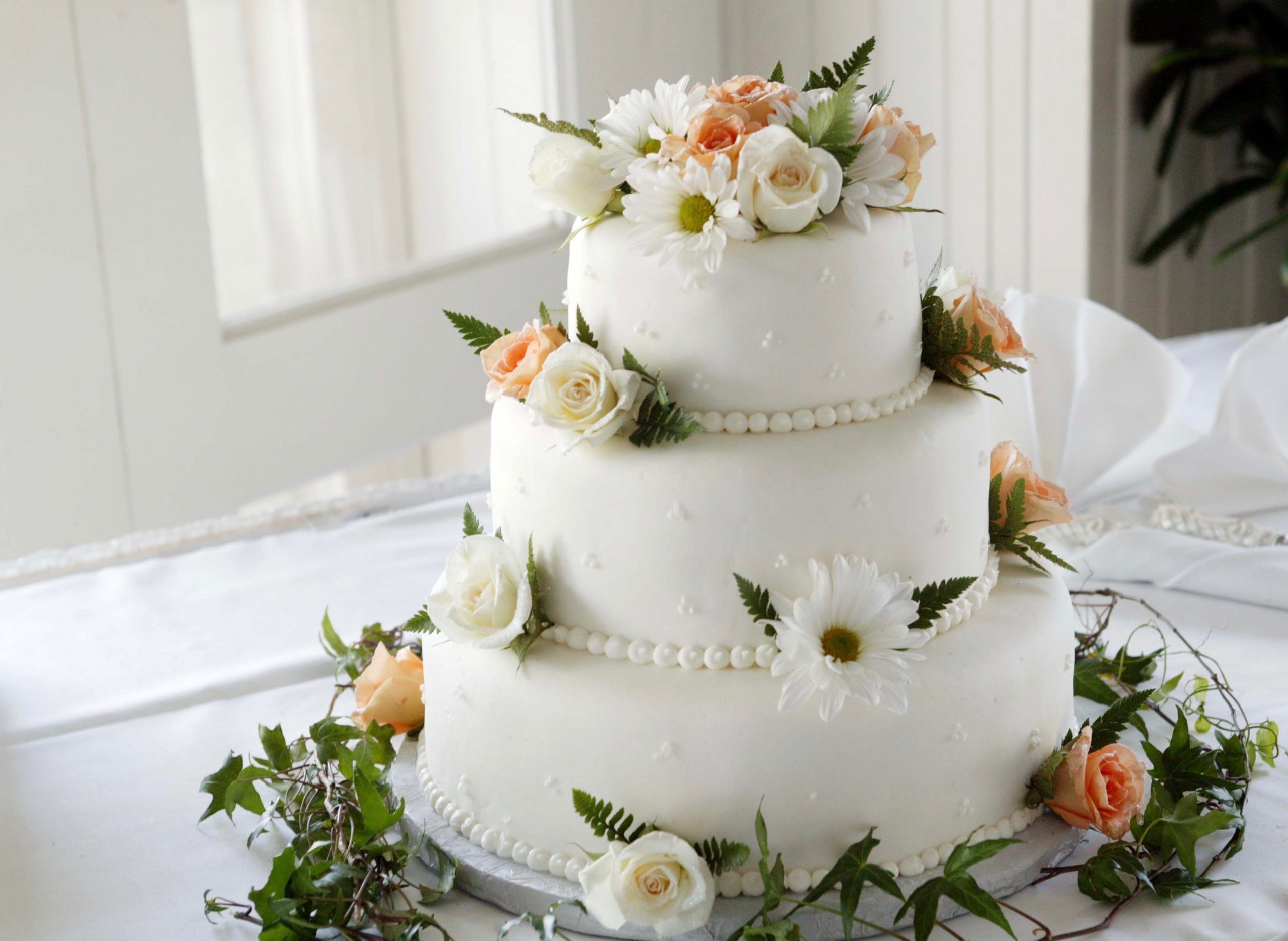
Whether you're searching for a traditional wedding cake flavour or something a little more distinctive, your guests will look forward to your cake all day. Be patient, talk to your baker about experimenting with different flavours and ingredients—and don't forget to try them all! You'll be able to choose a flavour that suits your palate.
Wedding cakes aren't famous for their taste because of the flavour, filling, or icing. Every flavour of your wedding cake will bring back memories of your special day. The essential decision has already been made: the person with whom you will share a cake for the rest of your life.
Biggest Wedding Cake Mistakes Couples Make, According To Bakers
You might be surprised to learn that a wedding cake isn't only made of eggs, flour, and fondant. They are making a few blunders before the big day might put you in a tough spot, as many newlyweds find out the hard way. That's why we scoured the advice of actual cake bakers—read couples—to see what they had to say.
Their sweet advice is below.
- Not Considering Slice Size
- Attempting to Please Others
- Failure to ensure that every agreed-upon detail is in writing. Failure to bring a budget
- You believe your options are limited.
- Feeling Limited by Your Budget?
- Overthinking It and Choosing the Wrong Baker
- Taking the Weather into Account
- Forgetting about the display and thinking you must stick to one flavour
- Not requesting a sketch in advance, not bringing a vision, and having unrealistic expectations